Small bathrooms are not short on space — they are short on floor
Measure the wall above your toilet, the strip beside the door frame, the empty gap between your vanity and the mirror. In a typical 5-by-8-foot bathroom that adds up to more than fifteen square feet of vertical surface doing absolutely nothing. Every storage problem in a small bathroom is really a question of moving things off the floor and off the counter, upward, where nobody trips over them.
Start with the zone above the toilet
The wall above a toilet tank is the single most wasted rectangle in most homes. An over-the-toilet shelving unit — the freestanding bridge style that straddles the tank on two legs — gives you three shelves without a single hole in the wall, which matters if you rent. Leave at least ten inches of clearance above the tank lid so you can lift it for repairs, and keep the bottom shelf shallow: anything deeper than seven inches turns into a head-height hazard when you stand up.
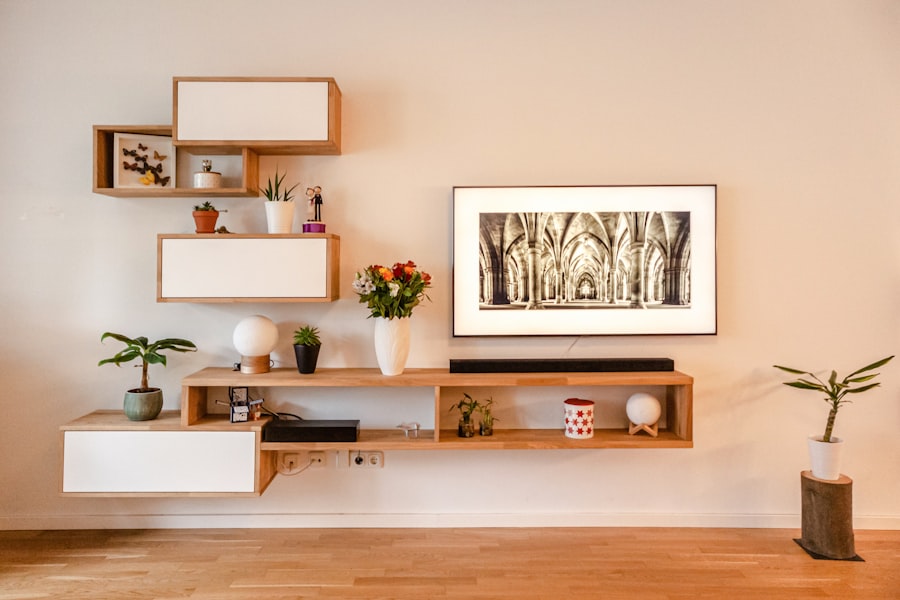
If you can drill, floating shelves beat the freestanding bridge every time. Two shelves at 16 and 28 inches above the tank hold folded towels, a basket of spares and a plant, and they leave the floor completely clear for cleaning. Anchor into a stud if you can find one; otherwise use toggle bolts rated for at least 30 pounds each, because a stack of wet towels is heavier than it looks.
Use the shower corner, not the shower floor
Bottles on the tub ledge fall, collect soap scum and make cleaning miserable. A tension pole caddy wedged into a shower corner adds four adjustable baskets and touches nothing but the floor and ceiling — no adhesive, no drilling, no wall damage. In tiled showers, a two-tier corner shelf mounted at shoulder and hip height serves the same purpose in less visual bulk. Whatever you choose, look for open wire or slotted trays: solid-bottom shelves pool water and grow film within a week.
Claim the back of the door
The door is a full sheet of vertical real estate that swings out of the way when you are done with it. An over-the-door rack with five or six hooks holds robes, towels and a hanging mesh organizer for hair tools. Check the door thickness first — most over-door hardware is sized for 1 3/8-inch interior doors, and a thicker slab will bow the hooks or scrape the paint. Add self-adhesive felt pads where the bracket meets the door face to protect the finish.
Go narrow and tall beside the vanity
The dead gap between a vanity and the wall is often six to ten inches wide — exactly the footprint of a slim rolling cart. Three tiers of that cart hold everything currently scattered across your counter, and it pulls out for cleaning behind the toilet. Measure the gap at both the floor and the countertop overhang before buying, since baseboard trim usually steals half an inch.
Keep the top third for storage, not decoration
The rule that makes vertical storage work: anything above eye level should be closed storage — lidded bins, labeled baskets, a cabinet — not open display. Open shelves at head height read as clutter and collect dust in a humid room. Reserve open shelving for the zone between hip and shoulder height, where you actually reach for things daily, and push backups, spare toilet paper and seasonal items to the top in matching bins.
Test the layout before you commit
Painter's tape is free. Mark the outline of every shelf and rack on the wall, live with it for two days, and notice where your elbows land when you dry your hair or lean over the sink. Half of all small-bathroom storage regrets are just something mounted three inches too low.